

When too much light becomes a problem
Solar radiation is one of the most important factors for the development of any crop. Light is the energy source that allows plants to photosynthesize, produce sugars, and generate biomass. Without adequate radiation, plant growth slows down, metabolic activity decreases, and productive potential is reduced.
For this reason, in agriculture, light has always been associated with production. Horticultural, fruit or extensive crops depend directly on the amount of radiation intercepted to achieve good yields, improve coloration, accumulate sugars or promote processes such as flowering and fruit set. In fact, radiation deficiency can become a major problem at certain times of the year or in certain growing areas. In winter or during prolonged periods of cloudiness, many crops reduce their vegetative growth, show lower photosynthetic activity and decrease the final quality of the harvest.
However, just as a lack of light limits crop development, excess radiation can also become a problem. And it is becoming increasingly common.
When the sun is no longer beneficial
Under normal conditions, plants are able to manage solar radiation and use it to produce energy. But when high temperatures, intense radiation and low ambient humidity occur simultaneously, the crop’s physiological system can become overwhelmed.
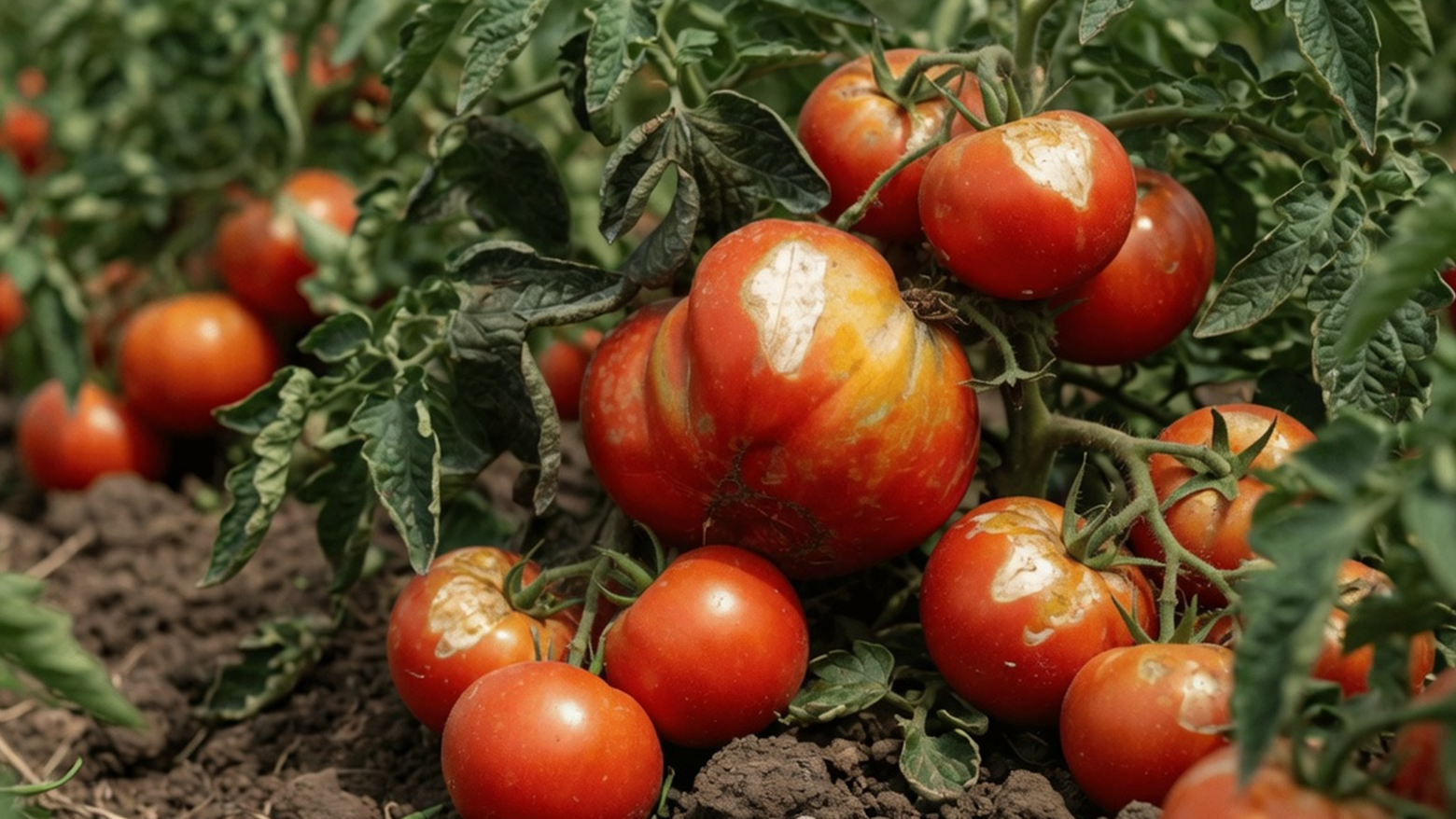
This is when phenomena such as heat stress and the so-called sunburn appear, a physiological disorder that is becoming increasingly frequent in modern agriculture due to the rise in heat waves and extreme weather events associated with climate change.
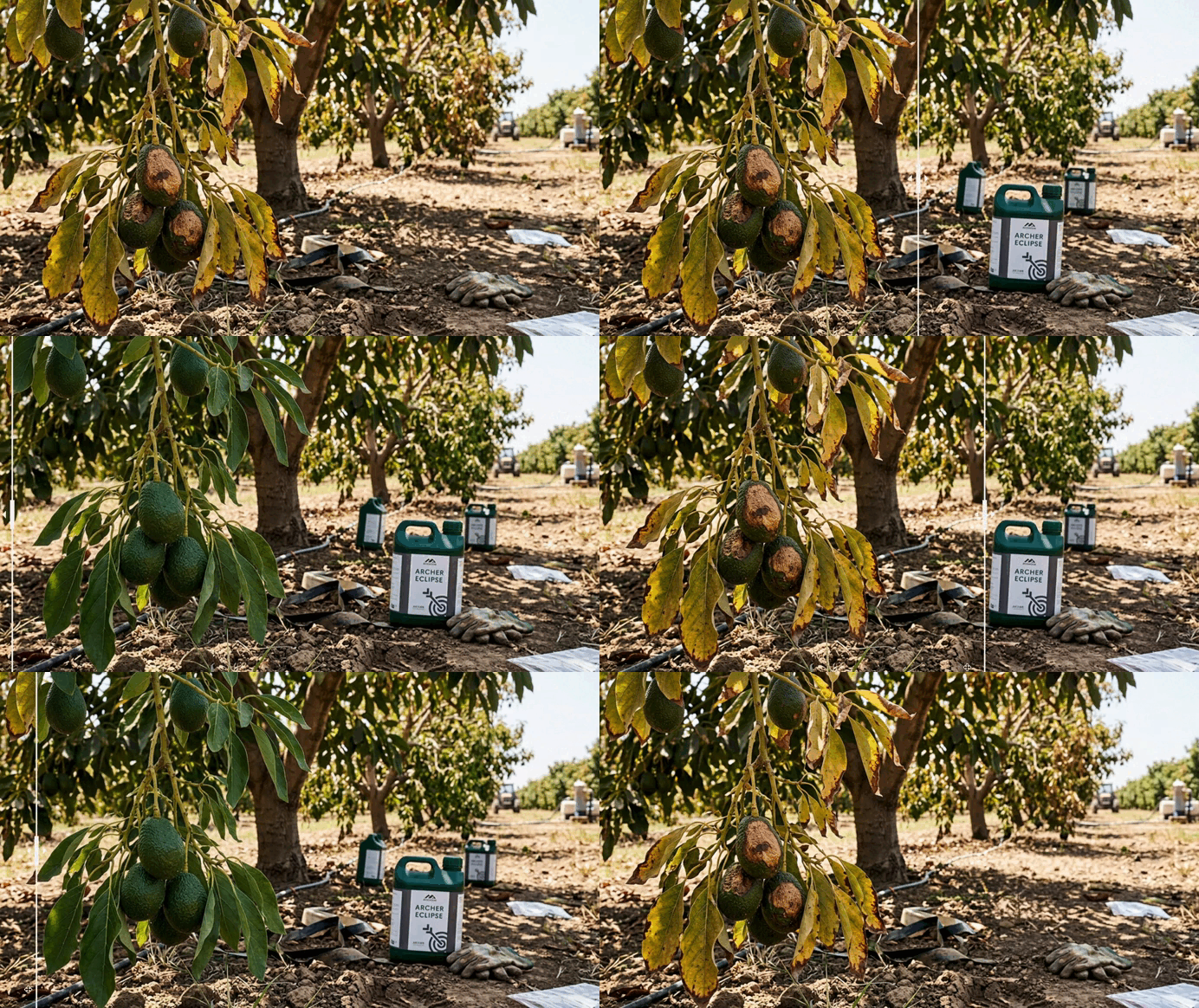
Sunburn mainly affects fruits and leaves directly exposed to solar radiation during the central hours of the day. Damage occurs when the surface temperature of the tissue reaches critical levels and the plant is no longer able to dissipate the excess energy received.
In fruits, the problem manifests itself through yellow, brown or necrotic spots in the most exposed area. In severe cases, dehydration, tissue collapse or even complete loss of commercial value may occur. In leaves, excess radiation causes burns, loss of photosynthetic activity and premature ageing, resulting in reduced growth and lower production.
A problem that directly affects profitability
The economic impact of sunburn is enormous in many high-value crops. It not only reduces production but also directly affects commercial quality.
In apple varieties such as Gala or Fuji, for example, sunburn causes blemishes that downgrade the commercial category of the fruit, even though it remains suitable for consumption internally. Similar situations occur in citrus fruits, grapevines, mangoes, avocados, tomatoes, peppers, melons and watermelons, where visual appearance determines a significant part of the final price.
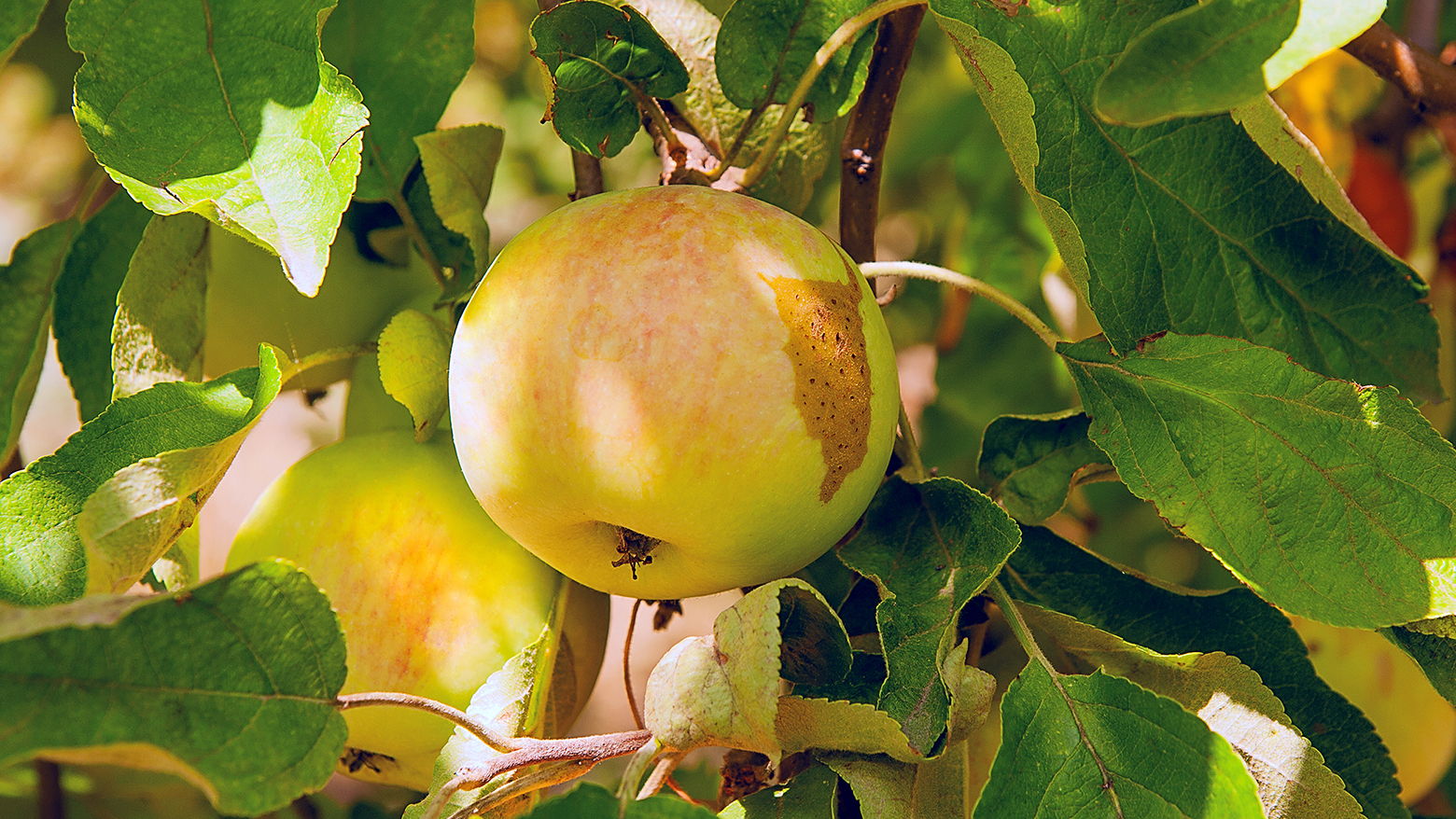
Many affected fruits no longer meet the standards required by supermarkets or export markets:
- Loss of uniform colour.
- Surface blemishes.
- Reduced firmness.
- Smaller fruit size.
- Poorer post-harvest shelf life.
In some cases, losses can represent a very significant percentage of the harvest during particularly hot seasons.
What happens inside the plant?
Excess radiation and heat cause several negative physiological effects simultaneously.
On the one hand, the plant increases transpiration in an attempt to cool itself. This raises water demand and increases the risk of dehydration stress. If temperatures continue to rise, stomata close to prevent water loss, reducing photosynthesis and energy production.
At the same time, ultraviolet (UV) and infrared (IR) radiation generate oxidative stress. Free radicals or reactive oxygen species (ROS) are formed, damaging cell membranes, pigments and proteins.
When this damage exceeds the plant’s natural antioxidant capacity, visible symptoms such as discoloration or necrosis appear.
In addition, prolonged heat stress affects other key processes:
- Poorer fruit set.
- Flower abortion.
- Reduced cell division.
- Reduced fruit filling.
- Lower final fruit quality.
Why is it happening more often?
Numerous scientific studies directly link the increase in sunburn damage to rising extreme temperatures and more intense solar radiation.
Today, damage is observed even in areas where this type of problem was previously rare. The main causes include:
- More frequent heat waves.
- Higher maximum temperatures.
- Lower ambient humidity.
- More intense radiation.
- Water deficit.
- Changes in crop management, such as excessive pruning or reduced canopy cover that increase direct fruit exposure.
What can we do to reduce damage caused by excessive sunlight?
Agriculture has spent years developing strategies to reduce the impact of excessive solar radiation.
Traditionally, several approaches have been used to reduce the negative effects of intense solar radiation and high temperatures:
Pruning and canopy management: maintaining adequate leaf cover helps protect exposed fruits, although this must be balanced with crop ventilation and health.
Shade nets: they partially reduce incoming radiation and help lower surface temperatures. However, they require significant investment and may reduce useful light.
Irrigation and water management: a well-hydrated crop withstands heat stress better, although during extreme conditions this is often insufficient.
Mineral barriers and kaolin: kaolin is one of the most widely used solutions. It is a white clay powder that reflects part of the solar radiation, acting as a physical barrier. Although effective, it has limitations such as leaving residues on fruit that are difficult to remove, reducing coloration and sometimes affecting market acceptance.
The evolution towards agricultural sun protectants
In recent years, new solutions have been specifically developed to protect crops against excess radiation and temperature without negatively affecting visual quality or photosynthetic activity.
These modern agricultural sun protectants combine different mechanisms:
- Partial physical barrier.
- UV filtering.
- Antioxidant action.
- Reduction of surface temperature.
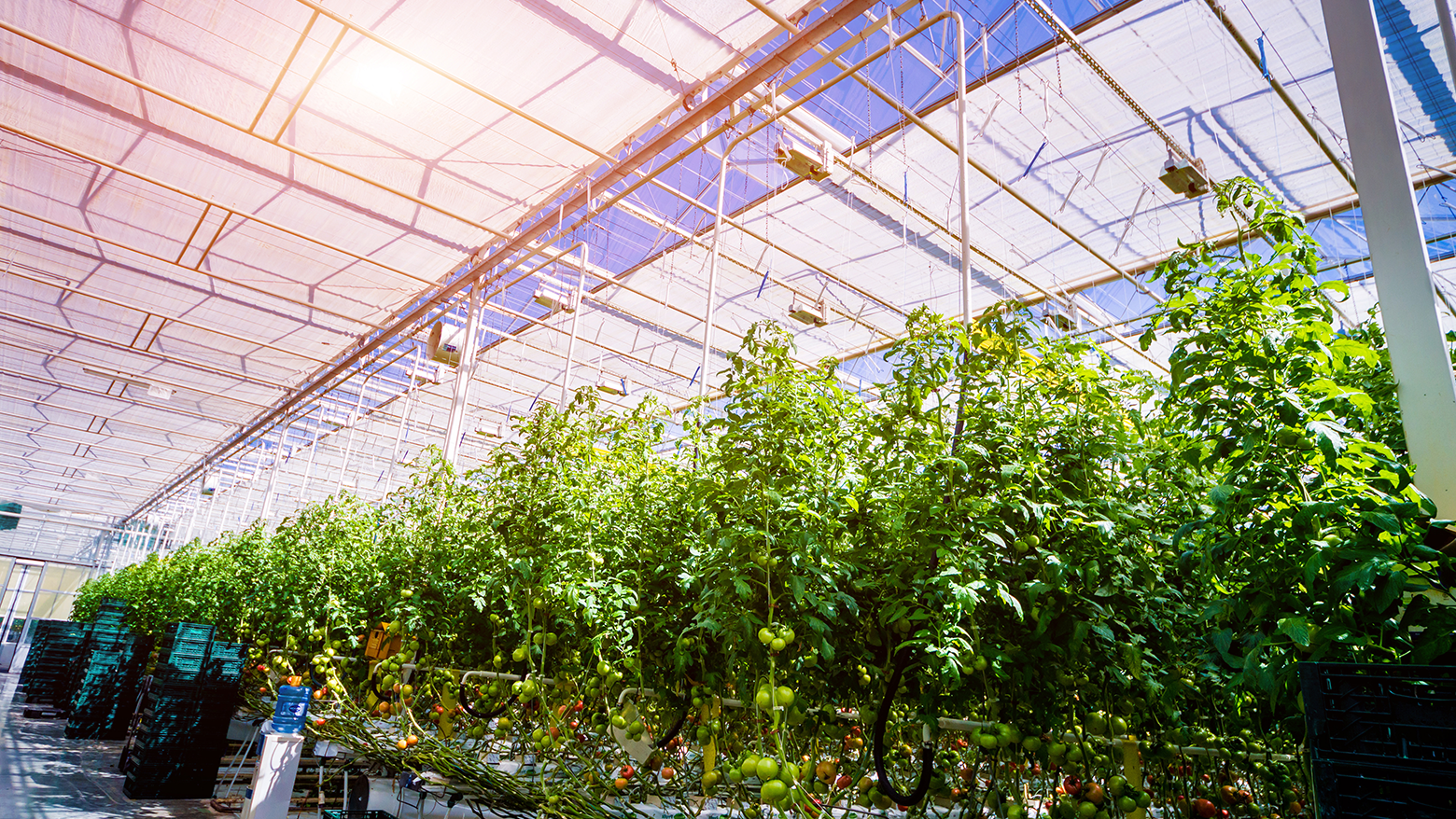
Unlike traditional physical barriers, these solutions are designed to protect crops without completely blocking photosynthetically active radiation (PAR), allowing physiological activity and crop performance to be maintained. Even in protected environments such as greenhouses, many crops benefit from these tools to avoid sunburn damage despite not being directly exposed to outdoor sunlight.
A growing need in modern agriculture
Protection against excessive radiation is already part of modern agronomic management in many high-value crops. Today’s growers are not only looking to maximise production, but also to protect commercial quality and reduce losses associated with climatic stress.
In a scenario of increasingly extreme temperatures, tools such as modern agricultural sun protectants are becoming increasingly important as a complement to traditional crop management strategies.
Because today, just as a lack of light limits productivity, excessive sunlight can also become a critical factor affecting crop profitability.


